
Strategies for building sense of belonging
Belonging is the heartbeat of a workplace's culture. In healthcare, where human connection impacts every outcome, creating a sense of belonging requires takes deliberate, sustained effort to ensure every team member feels valued and respected, and supported with the resources they need to perform to the best of their abilities. When people experience true belonging, they bring their full selves to their work, collaborate more effectively, and, simply, deliver better care. For leaders, that means designing environments rooted in trust, inclusion, and shared purpose—where psychological safety and empathy are modeled every day.
I previously discussed common barriers to creating this sense of belonging. Now, it’s time to move from awareness to action—i.e., the practical steps leaders can take to help foster relationships rooted in trust, respect, and shared purpose.
Social capital: The foundation for belonging
Social capital refers to the quality of relationships and networks within an organization. It’s the trust, mutual respect, and shared values that enable people to connect and collaborate meaningfully. When social capital is strong, individuals experience greater psychological safety, a critical ingredient in cultivating a true sense of belonging in the workplace. Leaders and teams build this foundation by consistently living out values like empathy, teamwork, and accountability at every level. When these values show up in daily actions, they shape a culture where people feel seen, supported, and included over time.
A deeper look at social capital reveals two key forms—bonding and bridging—that together strengthen individual and organizational belonging. Bonding focuses on the deep, trust-based connections within close-knit groups, while bridging extends those connections outward, linking individuals and teams across diverse roles and departments. Both are essential in creating a connected, inclusive workplace where belonging is not just felt within teams, but across the entire organization.
Fostering a sense of belonging within teams through bonding
A key way to build social capital and belonging within teams is through bonding the formation of strong, trust-based connections among team members. These close ties foster mutual support, emotional safety, and team pride. People who feel seen, valued, and connected show up more fully—in their work, in their teams, and in the relationships that drive care forward.
Strengthening team bonds and fostering a deep sense of belonging isn’t guesswork. It’s grounded in evidence and lived experience. From front-line engagement to leadership behaviors, the following strategies reflect proven pathways to build connection, trust, and resilience across the workforce.
Celebrate team and individual accomplishments
Recognition is a powerful tool for reinforcing connection. Use team huddles, newsletters, recognition boards, or informal shout-outs to highlight achievements—both clinical and relational. Celebrating moments of excellence, compassionate care, and everyday wins cultivates pride and reinforces shared values. “Managing up” colleagues by publicly acknowledging their contributions also builds cross-team trust and strengthens social capital.
Create inclusive communication channels
Open and consistent communication reinforces connection and trust. Establish regular opportunities for dialogue, such as shift huddles, one-on-one check-ins, team forums, and digital suggestion platforms. Make sure all staff, including night and weekend shifts, can access communication and feedback loops. A culture of inclusion starts with making everyone feel heard and informed.
Celebrate diversity and individuality
Acknowledging what makes each person unique strengthens group identity and respect. Recognize birthdays, work anniversaries, and holidays. Organize or support events that celebrate ethnic, cultural, and professional diversity—events like Nurses Week, Pride Month, or Hispanic Heritage Month. Even small acts, like hosting multicultural potlucks or sharing personal stories, can foster a sense of belonging and shared humanity.
Build a culture of everyday respect
True respect goes beyond politeness; it involves intentionally seeing and valuing each person as an individual. Simple gestures like greeting team members by name, actively listening, and affirming unique strengths help build trust and emotional connection. These day-to-day interactions form the foundation of a cohesive, respectful culture.
Co-create team norms
Involving the team in setting shared expectations increases ownership and accountability. Collaboratively define behaviors that reflect your team’s values. Don’t just rely on abstract terms like “communicate respectfully.” Instead, give clear, actionable examples, such as:
- “Respond to messages within one hour.”
- “Disagree in private, not in public.”
When norms are co-created and clearly defined, they become a source of unity and direction, reinforcing team identity and belonging.
Strengthen belonging through bridging
Strong team bonds create the foundation for belonging, but real connection happens when relationships stretch across roles, departments, and disciplines. In healthcare, where collaboration drives both outcomes and morale, building these bridges is essential to foster inclusion, trust, and shared purpose.
Collaborate across disciplines
One of the most effective ways to build bridges is through interdisciplinary team-based rounds that honor and elevate each caregiver’s voice—whether nurse, physician, therapist, or technician. When teams from different disciplines come together with mutual respect, communication improves, trust is built, and clinical relationships grow stronger. Breaking down silos in this way reinforces a powerful truth: Everyone contributes to the whole—both in patient care and team culture.
Encourage cross-unit initiatives
Bridging thrives when collaboration goes beyond department boundaries. Support joint efforts, like safety campaigns, wellness challenges, or patient experience improvement projects that require input from multiple units. These shared goals not only align teams around a common mission, but also deepen respect and empathy between colleagues who may not work together day-to-day.
Recognize employees beyond team lines
Public recognition builds bridges by spotlighting excellence throughout the organization. Help employees “manage up” by encouraging staff to acknowledge peers and providers in visible forums—town halls, newsletters, digital boards. Celebrating milestones like unit wins, DAISY Awards, and cross-functional successes boosts morale, amplifies pride, and deepens mutual respect.
Generate opportunities for informal connection
Collaboration isn’t just clinical. Informal social events like coffee chats, holiday gatherings, and other team-building activities give staff a low-pressure way to build relationships beyond their immediate group. These moments of connection humanize colleagues people may not work with every day, while building trust and encouraging cooperation.
Involve diverse voices in decision-making
Belonging grows when people feel their voice matters. Strengthen bridging by inviting front-line staff—from nurses to allied health professionals to environmental services—to participate in shared governance, quality improvement initiatives, and hospital-wide committees. When teams reflect diverse voices and roles, it sends a clear message: Every contribution matters, and inclusion is more than a value—in fact, it’s a practice.
Make communication inclusive and crosscutting
Use internal communication platforms to share stories, initiatives, and announcements that span departments. Highlight cross-functional efforts, increase visibility across units, and invite input from every level and shift. Transparent, two-way communication helps all team members feel seen and connected.
Leadership’s role in fostering a sense of belonging
Leaders are the linchpin of an organization’s culture. And nowhere is that more evident than in helping employees feel they belong. How leaders show up, communicate, make decisions, and care for their teams determines whether people feel valued, heard, and included. Belonging isn’t a byproduct of policy or programs. It’s built day by day, through intentional leadership.
Model inclusive behavior
Leaders set the tone for culture. They must go first—modeling vulnerability, respect, and openness. Sharing experiences, owning mistakes, and showing empathy create psychological safety and signal that authenticity is welcome. Inclusion starts with how leaders speak, listen, and act in everyday moments.
Create safe spaces for honest dialogue
A sense of belonging flourishes in environments where people feel safe to speak up. Leaders can build that safety by encouraging open communication, inviting feedback, and ensuring that concerns—especially about patient safety—are heard without fear of retaliation. Proactively addressing microaggressions and unconscious bias through training and accountability makes it clear that every team member is protected and respected.
Invest in individual growth to show belief in employees’ potential
Belonging also grows when people know they’re valued not only for what they do today, but for whom they can become. Investing in professional development through clinical ladder programs, certifications, mentorship, and leadership training sends a clear message: You matter—and so does your future. Growth opportunities aren’t perks. They’re proof of inclusion and belief in each team member’s worth.
Listen and respond with intention
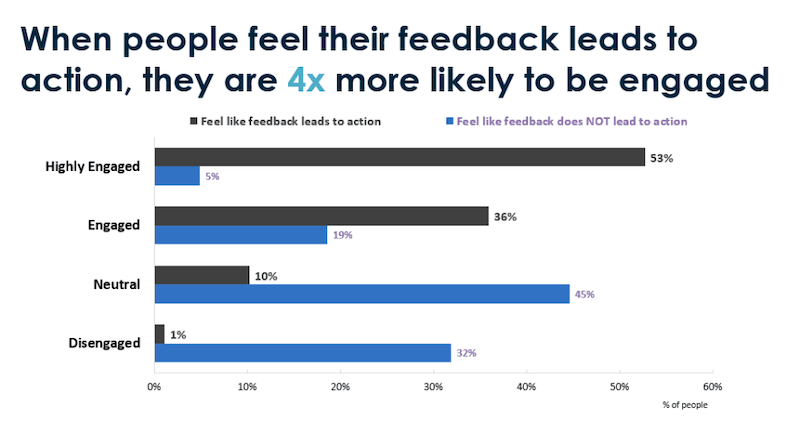
A the end of the day, listening alone isn’t enough. What matters most is how leaders respond to and act on what they hear. Conduct regular engagement surveys, host feedback sessions, and schedule one-on-one check-ins to understand your team’s needs and concerns. Just as important, close the loop. When staff see their voice leads to change, trust grows—as does engagement and their sense of belonging.
Build trust through presence and accessibility
Leaders who are consistently present rounding on units, checking in with staff, and engaging meaningfully, send a clear message: You are seen. Regular leader rounding, especially one on one, builds trust and human connection. Staff feel supported when leaders take the time to understand their daily realities, celebrate their wins, and remove roadblocks to success.
Ultimately, fostering belonging is a mindset and a daily commitment. When leaders ground their actions in authenticity, empathy, and integrity, they architect workplaces where everyone feels they belong—because they do.
In our next article, we’ll discuss in depth how to foster a sense of belonging. If you’d like to discuss how Press Ganey can help bring these strategies to life at your organization, reach out to an employee experience expert. Or check out our toolkit for more.